
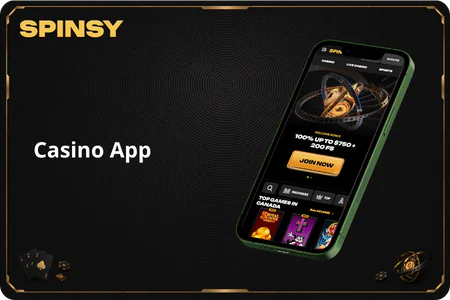
Returning to an online casino should be straightforward, but a crowded lobby, changing account menus and security checks can make a simple sign-in feel unclear. The spinsy casino homepage is best approached as an information and navigation starting point rather than a promise that every feature will appear for every visitor. Canadian users should check the current site version, provincial availability and account requirements before relying on any displayed option.
Start by identifying the correct account route
The usual sign-in process begins with the email address and password used during registration. Look for a clearly labelled login or account button, normally near the top of the page. On a smaller screen, it may be placed inside a menu icon instead of remaining visible beside the logo. Checking the address bar before entering credentials is sensible, particularly if a search result or saved bookmark has opened an unexpected page.
Once the account panel opens, distinguish between signing in, registering and recovering access. These routes can look similar, but they serve different purposes. A returning customer should not create a second profile merely because the password is unavailable. The available recovery route is described as a “Forgot Password” option, which normally sends instructions to the registered email address.
Navigation can also change after sign-in. The public lobby may show game categories and promotions, while the account area can contain profile details, transactions, bonuses, loyalty information and responsible-gambling controls. If an expected menu is missing, avoid repeatedly submitting forms. Refresh the page, check whether the session has expired and contact support if the problem continues.
What should you check before entering credentials?
A login page should make its purpose obvious and should not ask for unnecessary payment information. Before typing anything, confirm that the page is using a secure connection and that the spelling of the website address is correct. Do not rely on a familiar colour scheme alone: copied pages can imitate the appearance of a legitimate service while directing passwords to an unrelated party.
Use a password that is unique to the account. Reusing the same password for email, banking or social media creates a wider problem if one service is compromised. A password manager can help generate and store a separate credential, while browser autofill should be used only on a personal device with appropriate screen and account protection.
Some current materials mention optional two-factor authentication, but its presence may depend on the active site version or account. If an additional security option appears in account settings, read how recovery works before enabling it. For broader Canadian guidance on protecting accounts and devices, consult the Canadian Centre for Cyber Security. Never share a one-time code with someone claiming to be support.
Use the recovery process instead of guessing

Several failed password attempts can trigger a temporary lock, an extra security check or a request for manual assistance. Repeatedly guessing is rarely productive. Select the password-recovery option and enter the email address associated with the account. Check spam, junk and promotional folders if the message does not arrive quickly, while avoiding repeated requests that could invalidate earlier reset links.
A reset email should lead to a page where a new password can be created. Use a fresh credential rather than a minor variation of the old one, and sign out of other shared devices if the account may have been exposed. If the email address is no longer accessible, recovery may require support to confirm ownership before access is restored.
Locked access can overlap with verification. Identity checks may request a government-issued photo ID, proof of address, a selfie, payment-method evidence or, in some cases, a verification call. The details on the account should match the documents. If a recovery request and a verification request appear together, follow the stated order and ask support which issue is preventing access.
Keep the account menu useful after signing in
Successful login is only the first navigation step. Review the profile section for your name, date of birth, address, country and selected currency. Canadian-facing materials list CAD for some accounts, but the options shown can depend on location and the current site version. Correcting an error early is preferable to discovering a mismatch during a later verification or payment review.
The transaction and cashier areas should be treated as account-specific rather than as a general list of available services. Deposit methods may differ from withdrawal methods, and a payment option visible before login may not appear after location or verification checks. Do not assume that a deposit route can also be used for cash-out. Read the displayed conditions before moving funds.
Account menus may also contain promotion controls, loyalty progress, support access and safer-play tools. If a bonus is active, review its terms before attempting a withdrawal, since unused bonus funds may be affected. Where available, deposit, loss, wager or time limits can help keep activity within a planned budget. These settings should be easy to locate, not hidden behind repeated promotional prompts.
When mobile navigation does not behave as expected
The mobile experience is described as a responsive browser website rather than a confirmed native application. That distinction matters. A browser shortcut placed on an iPhone or Android home screen may look like an app, but it still opens the web platform. Avoid downloading files from unofficial pages that claim to provide a special mobile application, especially when the normal service is accessible through a browser.
On a phone, menus may collapse into an icon, while search, provider filters and account controls may sit in separate panels. Rotate the device or close an open lobby filter if a login button seems to disappear. A current browser, stable connection and cleared page cache can resolve display problems, but clearing data may remove saved sessions and preferences.
Mobile access also increases the importance of device security. Use a screen lock, keep the operating system updated and avoid signing in on public or shared devices. Log out when finished, particularly if the browser is not under your exclusive control. If the page repeatedly returns to the login screen, save any error wording and give it to live chat or email support rather than disclosing your password.

Frequently asked questions about account navigation
What should I do if the password-reset email does not arrive?
Confirm that the registered email address was entered correctly, then check spam and junk folders. Wait before sending multiple requests, because newer reset links can replace older ones. If no message arrives, contact support through the available chat or email channel and explain that account recovery is failing.
Why might a payment option disappear after login?
Payment availability can depend on location, account status, currency, verification and the current cashier configuration. A method shown publicly is not necessarily enabled for every user or for withdrawals. Check the logged-in cashier and its terms rather than assuming that a deposit method supports cash-outs.
Is a home-screen shortcut the same as a native app?
No. A shortcut created through Safari or Chrome opens the responsive website in an app-like format. It is not proof of a separate Apple or Android application. Use the browser-based service and avoid installing files from unofficial sources that request unfamiliar permissions or account credentials.